Digital solutions for attributing climate change impacts
on child nutrition and health
CLIMAKID
Climate Change & Child Health
Children in low- and middle-income countries (LMICs) are among the most vulnerable to climate change. Undernutrition is a major threat climate change poses to child health, increasing the risk of mortality and can have lifelong consequences. The societal consequences are equally far-reaching—slowing economic growth and deepening inequalities both within and across generations.
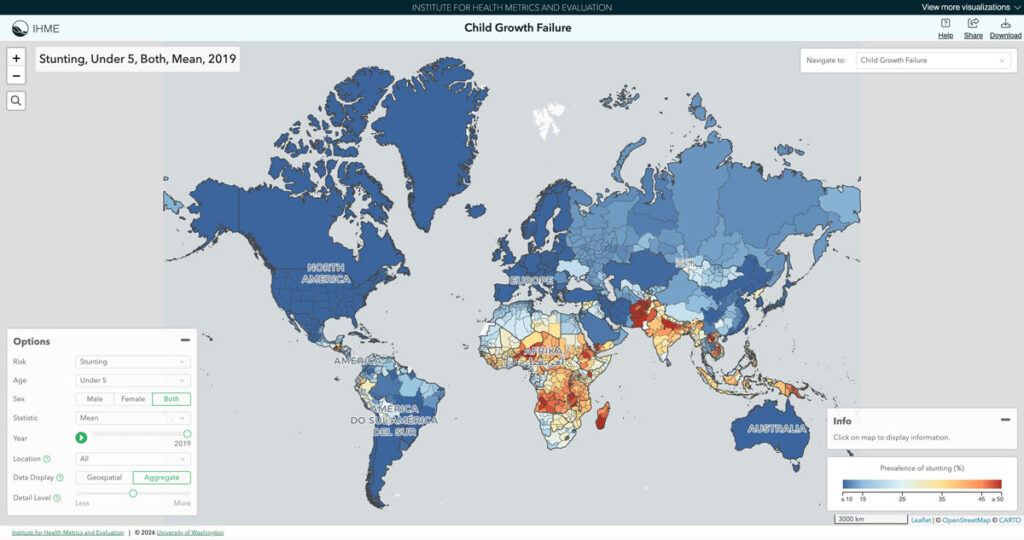
With 99% of affected children living in LMICs, this burden falls overwhelmingly on the world’s most vulnerable populations.
Yet climate attribution research has largely focused on heat-related impacts in adult populations and high-income settings.
Addressing this gap is complex: it requires better climate data, agricultural models, and health datasets—many of which are fragmented, inaccessible, or unavailable in LMICs. CLIMAKID aims to address these gaps.

What We Are Building The MILK Platform
At the centre of the project is the development of MILK (Model Investigating Links between climate change and Kids’ nutrition and health) — an interactive, open-source digital platform designed to support climate attribution research related to child health and nutrition.
Climate attribution datasets
Process-based crop models
Epidemiological and health impact assessment methods
From Research to Action
Mitigation and adaptation pathways
Intergenerational justice perspectives
Policy integration opportunities
Collaborative and accessible research workflows
Project Regions
Source: Institute for Health Metrics and Evaluation (IHME). Child Growth Failure Data Visualization Hub. Data accessed via the Global Burden of Disease (GBD) Study. Image reproduced for educational and informational purposes.
An International Consortium